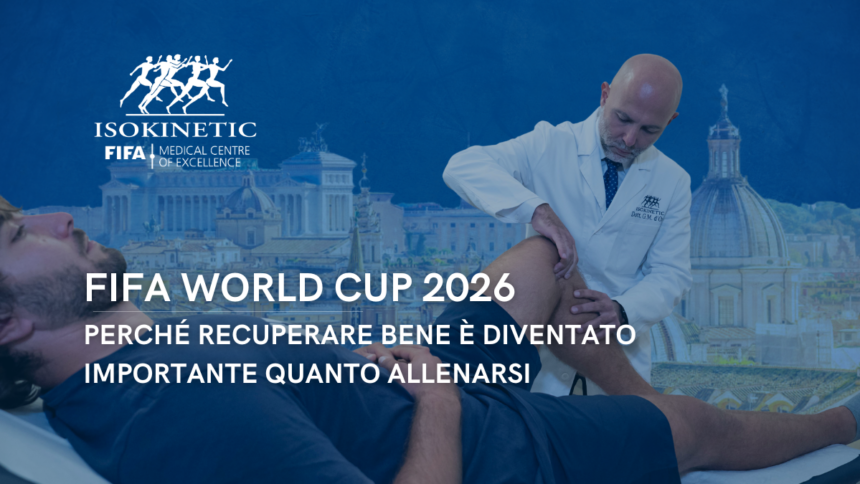
It is a challenge that the team at Isokinetic Rome knows well. At the centre in the heart of the Italian capital, a multidisciplinary approach forms the foundation of every rehabilitation pathway, supporting professional athletes, recreational sportspeople, and active individuals on their journey back to sport with a safe, progressive, and long-lasting return to performance.
Recovery Is More Than Just Rest
In modern football, particularly during major international tournaments such as the FIFA World Cup, recovery has become an integral part of athletic preparation rather than simply a period of rest.
After ninety minutes of high-intensity football, the body undergoes a complex recovery process. Muscle fibres begin to repair and regenerate, the nervous system works to recover from accumulated physical and mental stress, and joints must regain their mobility and efficiency before the next training session or match.
For this reason, recovery is far more than simply resting. It encompasses physiotherapy, mobility work, active recovery exercises, workload monitoring, nutrition, hydration, and sleep management—all essential components that help athletes restore their physical condition and prepare for the demands of the next challenge.
The Teamwork Behind Every Recovery and Return to Play
One of the most familiar scenes during the FIFA World Cup is a player returning to the pitch after a physical setback. What spectators rarely see, however, is the carefully planned rehabilitation journey that makes that return possible.
The decision to resume training or return to competition is the result of close collaboration between sports physicians, physiotherapists, and performance specialists, who combine clinical assessments, functional testing, and workload monitoring to evaluate an athlete’s readiness and minimise the risk of re-injury.
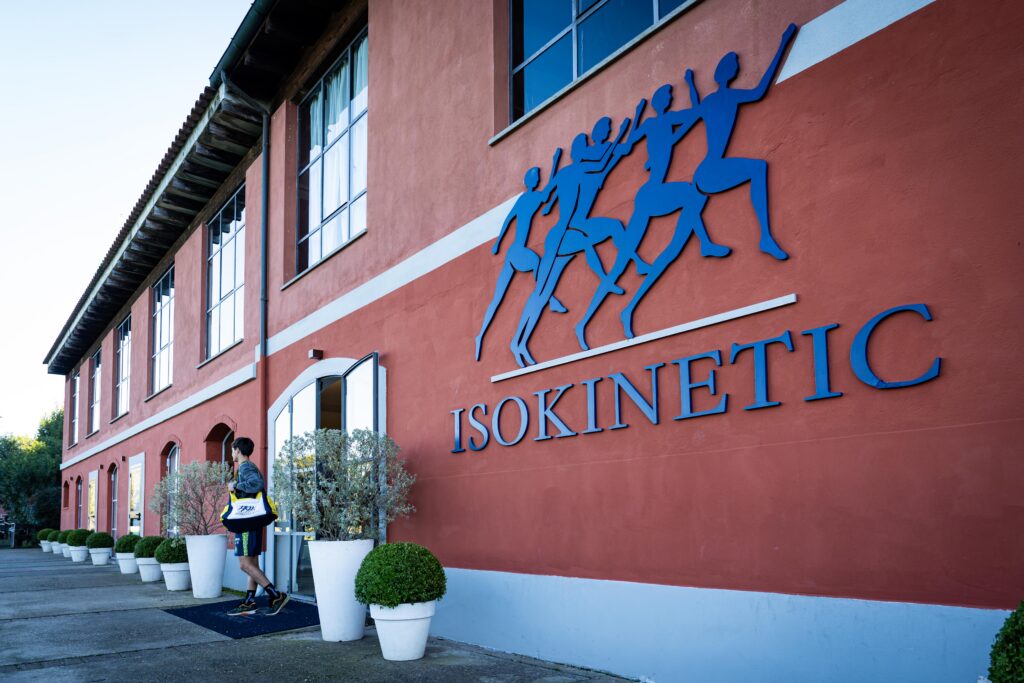
The same multidisciplinary model shapes the daily practice at Isokinetic Rome, where every patient follows a personalised pathway tailored to their individual characteristics, personal goals, and the specific physical demands of their chosen sport or activity
Rome: A City Driven by Sport
Italy’s capital is home to a vibrant sporting community, bringing together everyone from professional clubs and elite athletes to recreational sportspeople who fill its parks, tennis courts, swimming pools, and sports facilities every day.
In this environment, recovery means far more than simply returning to competition. It is about regaining confidence in movement, returning to everyday routines and sporting activities, and reducing the risk of future injuries through a structured and progressive rehabilitation process.
For this reason, Isokinetic Rome adopts a multidisciplinary approach that combines specialist consultations, sports physiotherapy, orthopaedic rehabilitation, and personalised Return to Performance programmes, tailoring every pathway to the individual needs, goals, and lifestyle of each patient
From the FIFA World Cup to Everyday Clinical Practice
The recovery strategies used to support athletes competing at major international tournaments are equally relevant in everyday clinical practice, where the same evidence-based principles help patients return to sport safely and effectively.
Whether it is a professional footballer, a runner preparing for a marathon, or a padel enthusiast, the goal remains the same: to fully restore strength, movement control, and confidence before returning to training and competition.
This philosophy lies at the heart of the work carried out by the Isokinetic Rome team: going beyond pain relief to guide every patient through a progressive rehabilitation pathway grounded in the latest scientific evidence and designed to achieve a safe, confident, and long-lasting return to sport.
Beyond the Final Score
The FIFA World Cup 2026 will continue to deliver unforgettable moments and outstanding performances, but every match also highlights how recovery has become a defining element of modern athletic performance.
Behind every sprint, every change of direction, and every ninety minutes of high-intensity football lies a quieter process built on clinical expertise, careful assessment, and close collaboration between sports medicine professionals.
This is the same philosophy that drives Isokinetic Rome every day: placing the individual at the centre of the rehabilitation journey and developing personalised programmes that enable a safe, effective, and lasting return to sport in the best possible condition.