An injury changes everything. Isokinetic helps you get back in the game
An ACL rupture during a Saturday morning match.
A recurring hamstring strain that never fully settles.
An ankle that gives way every time you accelerate or change direction.
For many young athletes in London, an injury means far more than physical pain. It means missed selections, interrupted development, and the fear of never returning to the same level again.
But what truly determines an athlete’s future is not just the injury itself. It is the quality of the rehabilitation that follows.
And this is where Isokinetic London comes in — part of an international network recognised as FIFA Medical Centres of Excellence.
Isokinetic London: Excellence in Sports Rehabilitation
London is home to some of the world’s leading medical institutions. However, when it comes to advanced sports rehabilitation, the number of centres truly capable of guiding an athlete all the way back to performance is far smaller than many might expect.
Isokinetic London is one of those benchmarks in sports rehabilitation
The FIFA Medical Centres of Excellence accreditation is awarded only to centres that meet exceptionally high standards in:
- clinical excellence
- scientific research
- rehabilitation technologies
- objective outcome monitoring
- safety throughout the rehabilitation pathway
It is the same approach used in the recovery of elite professional athletes, made accessible to young sports players and amateur athletes alike.
More than Physiotherapy: The Isokinetic Pathway to Return to Performance
Many athletes receive physiotherapy after an injury.
Far fewer go through a truly structured sports rehabilitation pathway.
At Isokinetic London, recovery follows a progressive, criteria-based methodology designed not only to help athletes feel better, but to return them safely to competition.
The rehabilitation pathway includes:
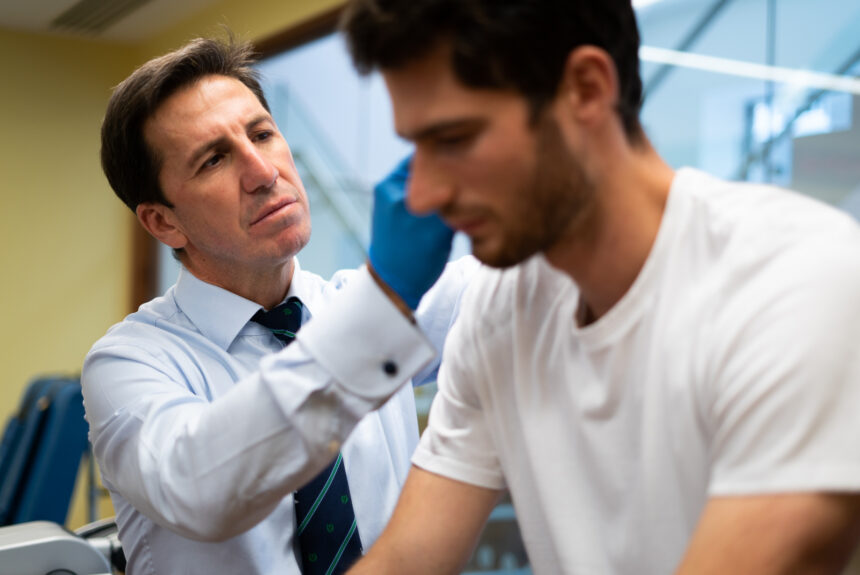
– Initial clinical assessment and diagnosis
Every programme begins with a comprehensive assessment of the athlete’s condition, allowing for a truly personalised rehabilitation pathway.
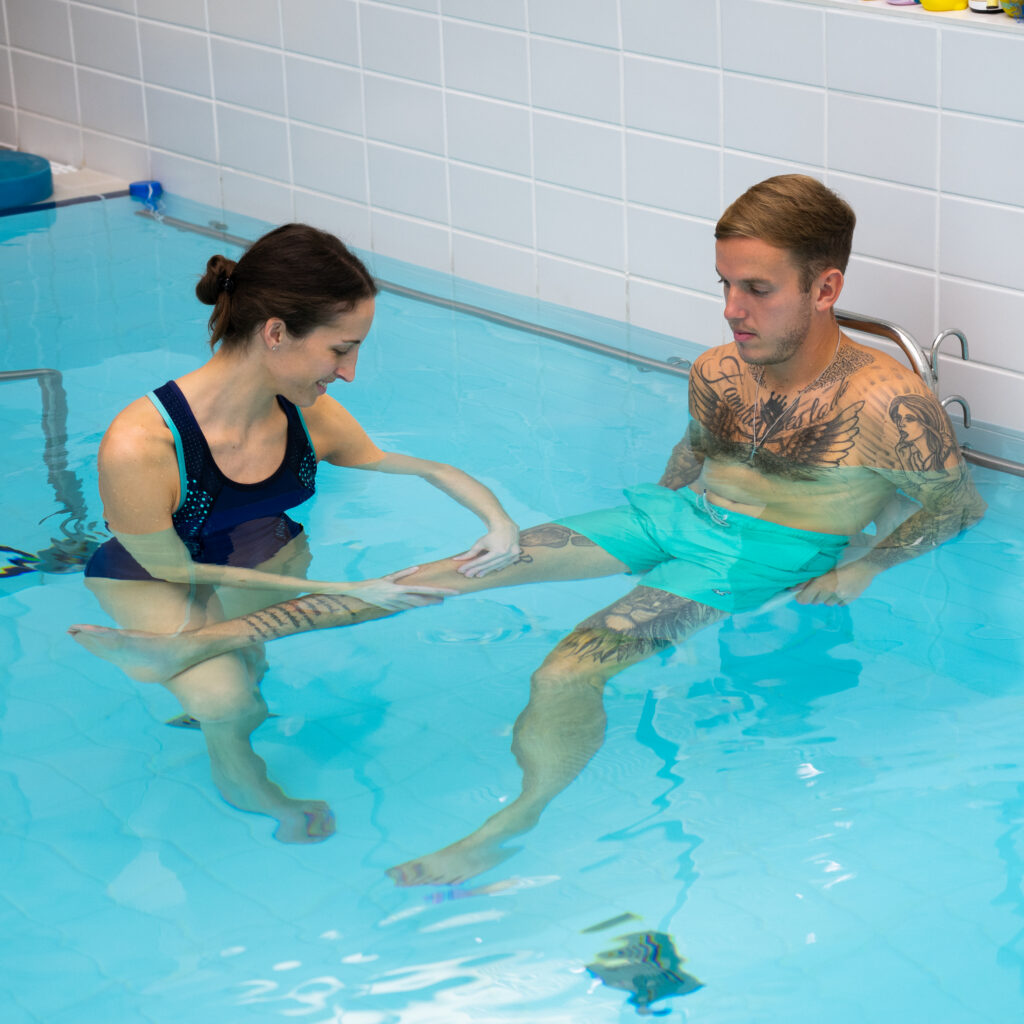
– Pain management and functional recovery
The initial phase focuses on controlling pain and inflammation while restoring joint mobility and neuromuscular control.
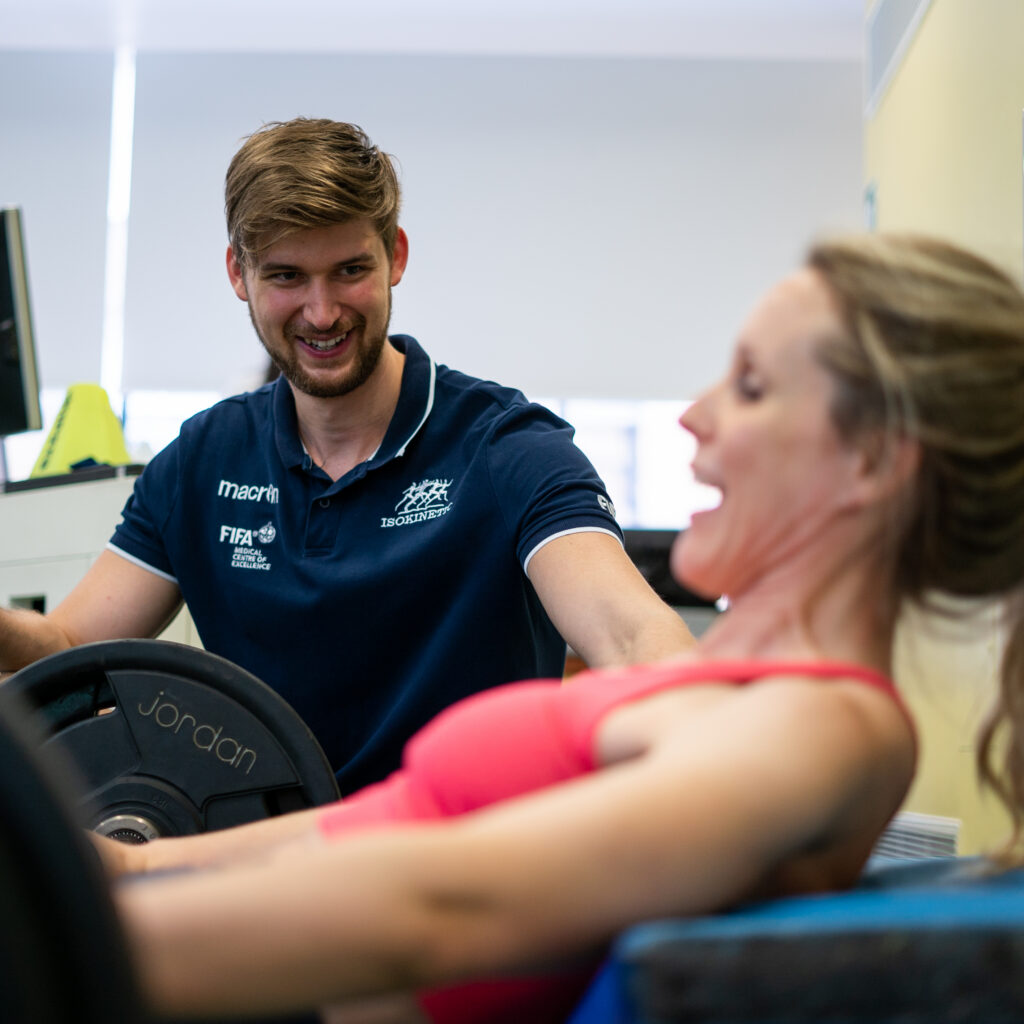
– Muscle strengthening and isokinetic training
Through targeted testing and training, the programme focuses on restoring muscular balance and rebuilding strength.
– Sport-specific re-athleticisation
The athlete is progressively reintroduced to the movements and technical demands specific to their sport.
– Return to Play testing
Before returning to play, athletes undergo objective testing to assess strength, stability, motor control, and functional readiness.
At Isokinetic London, there are no shortcuts.
Every stage of progression is built on measurable criteria, not simply on standard timelines
The Team Behind the Rehabilitation Pathway
The quality of a rehabilitation centre depends not only on the technologies it uses, but above all on the people leading the clinical pathway.
The Isokinetic London centre is led by Dr Jesus Olmo, who oversees each patient’s journey from the initial assessment through to their return to sport.
Rehabilitation programmes are coordinated by Alessandro Compagnin, who specialises in functional recovery and return-to-sport conditioning.
Each rehabilitation programme is tailored according to:
- – the athlete’s sport
- – the athlete’s position or role
- – clinical and injury history
- – competitive level
- – psychological readiness
- – individual goals
The team shares one clear objective: helping athletes return to doing what they love, in the safest and most sustainable way possible.
Why Young Athletes Need a Specialist Approach
An adolescent athlete cannot be treated as a smaller version of an adult professional.
A developing musculoskeletal system presents unique characteristics and vulnerabilities:
- – open growth plates
- – developing tendons
- – constantly evolving biomechanics
- – increased vulnerability to overload injuries
An inadequate rehabilitation process can increase the risk of re-injury and potentially compromise long-term development
For this reason, Isokinetic London develops dedicated programmes for young and adolescent athletes, designed to:
- – respect biological maturity
- – manage training loads appropriately
- – support the psychological aspects of recovery
- – reduce the fear of re-injury
- – promote a gradual and sustainable return to sport
The Most Common Sports Injuries Treated at Isokinetic London
The Isokinetic London centre treats a wide range of sports injuries on a daily basis, including:
- – anterior cruciate ligament (ACL) rupture
- – post-operative ACL rehabilitation
- – meniscal injuries
- – chronic ankle instability
- – patellar and Achilles tendinopathy
- – hamstring, quadriceps and calf muscle injuries
- – shoulder instability
- – rotator cuff injuries and disorders
- – patellofemoral pain syndrome
- – athletic groin pain and sports pubalgia
Your Return to Play Starts with the Right Choice
Every year, thousands of young athletes face injuries that threaten not only their season, but also their confidence, continuity, and personal development.
The difference between an incomplete comeback and a truly effective recovery often comes down to one key decision: where to rehabilitate.
Backed by an international network, recognised as a FIFA Medical Centres of Excellence centre, and supported by a methodology applied to more than 100,000 patients worldwide, Isokinetic London is now a leading reference point for advanced sports rehabilitation in London.
To book a clinical assessment or receive more information about the rehabilitation programmes available, click the button below: